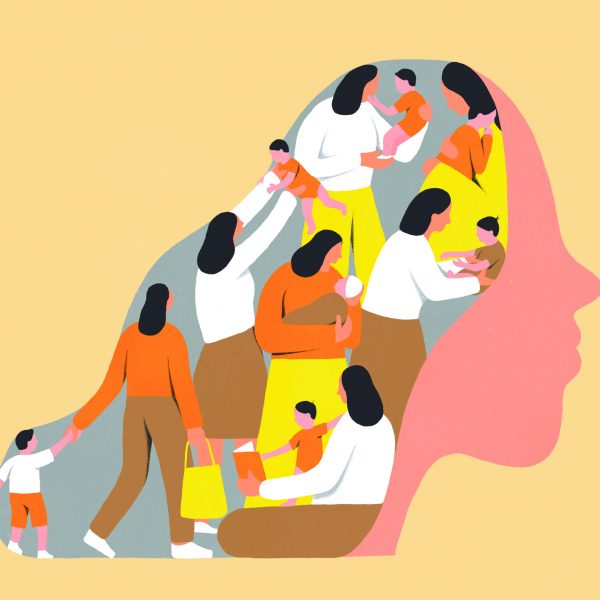
Every day, caregivers, professionals, politicians and policymakers all take actions that profoundly impact children’s lives. We assume these decisions are made rationally. But life can get in the way of best intentions. Everyone, especially parents, get tired, busy and stressed.
Behavioural science takes our realities and imperfections in account, offering evidence-based, empathetic solutions to many caregiving challenges.
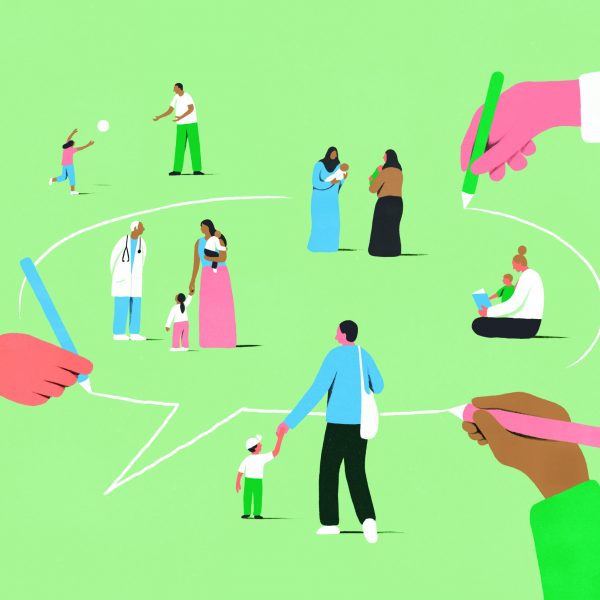
In this edition of Early Childhood Matters, we explore why behavioural science can and should be rooted in all areas of caregiving, from reading at home to the doctor’s waiting room and how governments are starting to take note.

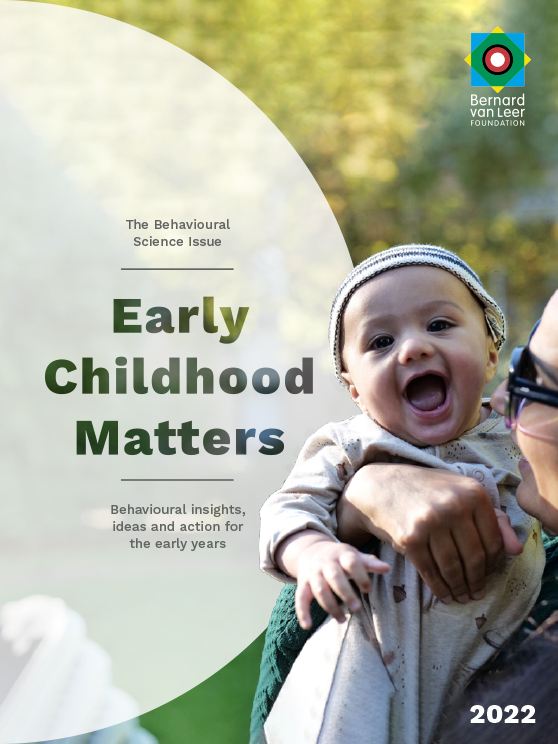
Behavioural insights, ideas and action for the early years
Connecting behavioural science and early childhood development: opportunities and misperceptions
Applying a behavioural approach starts with research, testing, and adaptation
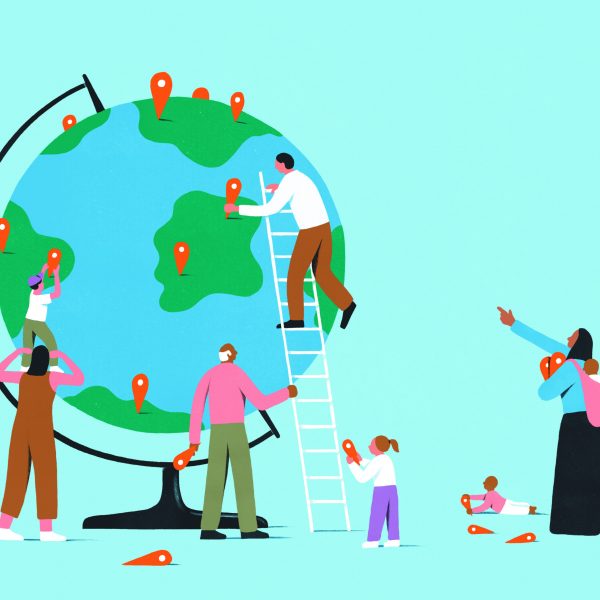
Behavioural solutions at scale that increase positive outcomes for young children and caregivers
The views expressed in Early Childhood Matters are those of the authors and do not necessarily reflect those of the Van Leer Foundation. Initiatives featured are not necessarily funded by the Van Leer Foundation.
© Bernard van Leer Foundation, 2022
Reproduction of articles by photocopying or electronic means for non commercial purposes is permitted. However, it is requested that the author, Early Childhood Matters and the Bernard van Leer Foundation are cited as the source of the information. Permission must be obtained to use images. ISSN 1387-9553
Cover photo: Courtesy of Alexis Camejo/Van Leer Foundation
This 2022 issue of Early Childhood Matters is no. 131 in the series. Also published in Spanish: Espacio para la Infancia (ISSN 1566-6476)
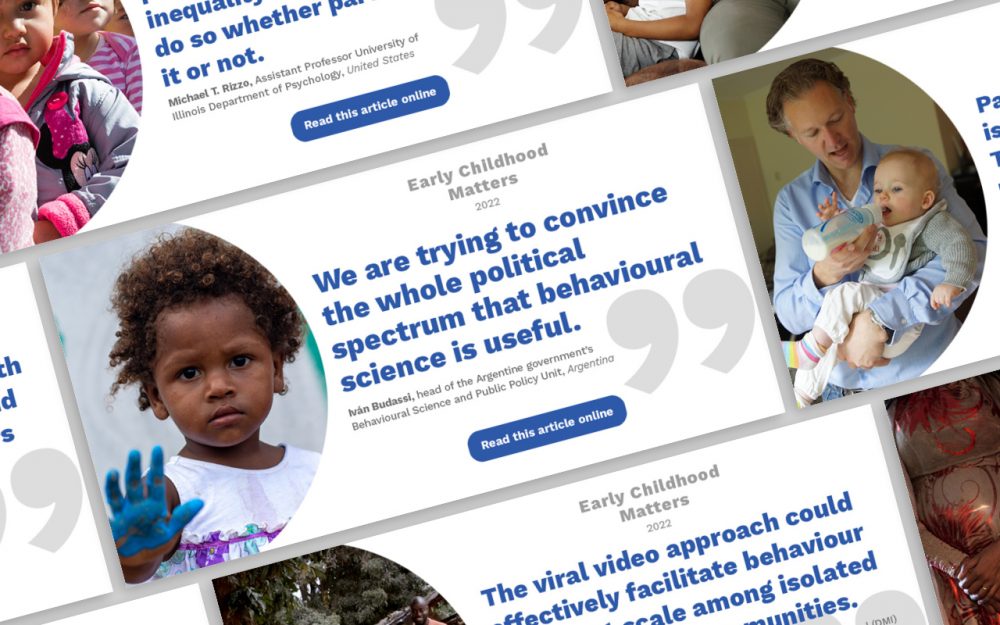
Hoping this issue of Early Childhood Matters is a valuable resource for you, we encourage you to share within your network. Below some infographics, including a GIF, and more detailed guidelines with sample social media messages for you to share.
We need to talk about care and what parents need for a good start.
We need to reimagine support for caregivers.
Caring for children and the planet
The global COVID-19 pandemic has underlined the enormous gaps between communities, cities, regions and nation states.